How To Optimize Your PC’s Airflow Using Positive vs. Negative Pressure
⚡ Quick Hits
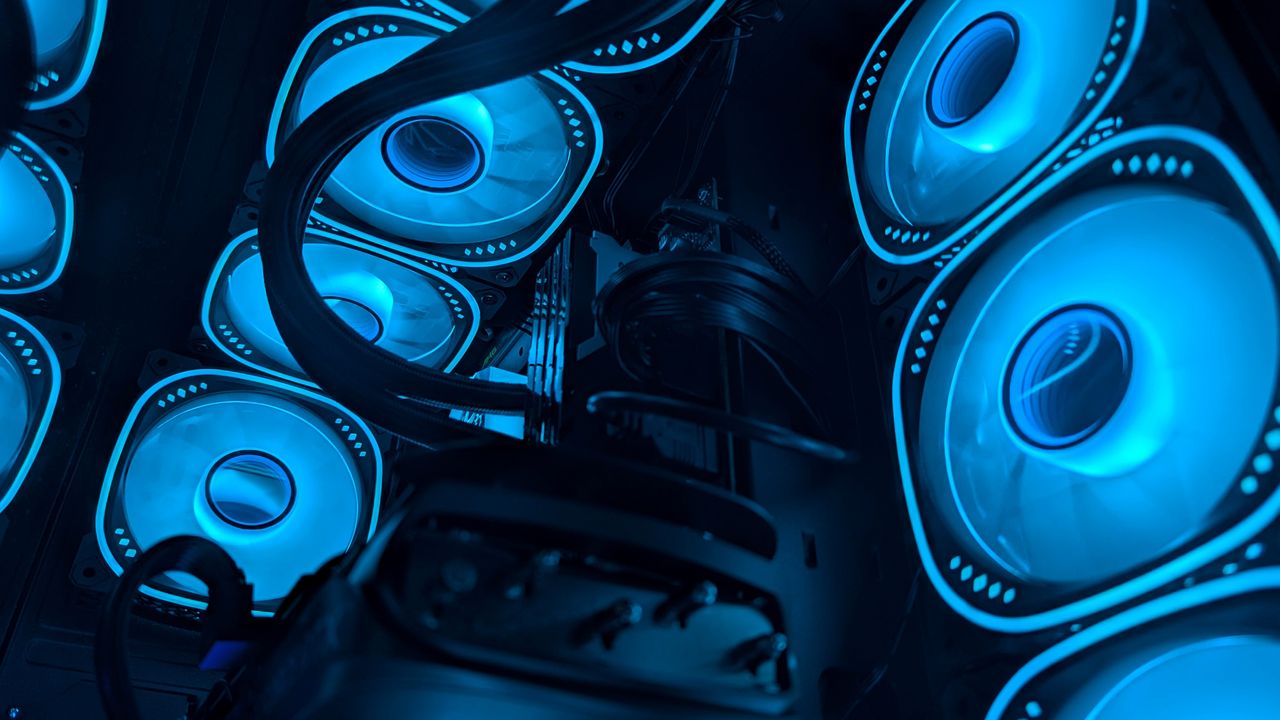
- Positive Pressure: Having more intake fans than exhaust fans helps keep dust out of your case by forcing air through filters.
- Negative Pressure: Having more exhaust fans than intake fans maximizes raw cooling performance but acts like a vacuum, pulling in dust through unfiltered gaps.
- The Sweet Spot: Aim for a slightly positive or neutral pressure configuration to balance optimal component cooling with minimal maintenance.
Welcome, tech seekers. The Tech Monk here, bringing you enlightenment on a topic that breathes life into your precious hardware: PC airflow. Whether you just snagged a blazing-fast GPU deal or are building your first rig, all that raw computing power generates serious heat. The secret to longevity isn't just throwing a dozen fans at the problem; it's understanding how to guide the air.
When we map out case airflow, we are balancing two opposing forces: Positive and Negative pressure.
The Path of Positive Pressure
Positive pressure occurs when you have more air being pushed into the case (intake) than pulled out (exhaust). This creates a pressurized environment inside the chassis that naturally pushes excess air out through any unfiltered gaps and vents. The greatest virtue of this method is dust defense. By forcing all incoming air through your case's front dust filters, your components stay remarkably clean, saving you from tedious maintenance.
The Way of Negative Pressure
Conversely, negative pressure happens when your exhaust airflow exceeds your intake. Your PC essentially acts as a vacuum, expelling hot air with extreme prejudice. While this setup can sometimes yield marginally better peak temperatures for high-performance hardware, it comes at a cost. It constantly pulls un-filtered air—and all the ambient room dust with it—through every open seam, PCIe slot, and crevice in your chassis.
Attaining Airflow Nirvana
As your curator of both tech deals and hardware wisdom, my recommendation is to seek balance. For the vast majority of builds, you should aim for a slightly positive pressure setup. Ensure your front and bottom fans are pulling fresh, filtered air in, while your rear and top fans exhaust the heat.
Protect your investments, balance your fans, and may your temperatures always stay low.