Facial recognition is jailing the wrong people, but police keep using it anyway — Tennessee grandmother latest victim of AI-driven misidentification
⚡ Quick Hits
- Angela Lipps, a grandmother from Tennessee, was wrongfully arrested due to a false positive from AI identification.
- Facial recognition software continues to struggle with accuracy, creating severe real-world consequences for innocent citizens.
- Despite mounting evidence of inherent system flaws, police departments persist in using the technology to make arrests.
Greetings, tech enthusiasts. The Tech Monk here, stepping away from the deals today to discuss a highly concerning intersection of tech and society. While artificial intelligence continues to break new ground in the consumer space, its implementation in law enforcement remains deeply and dangerously flawed.
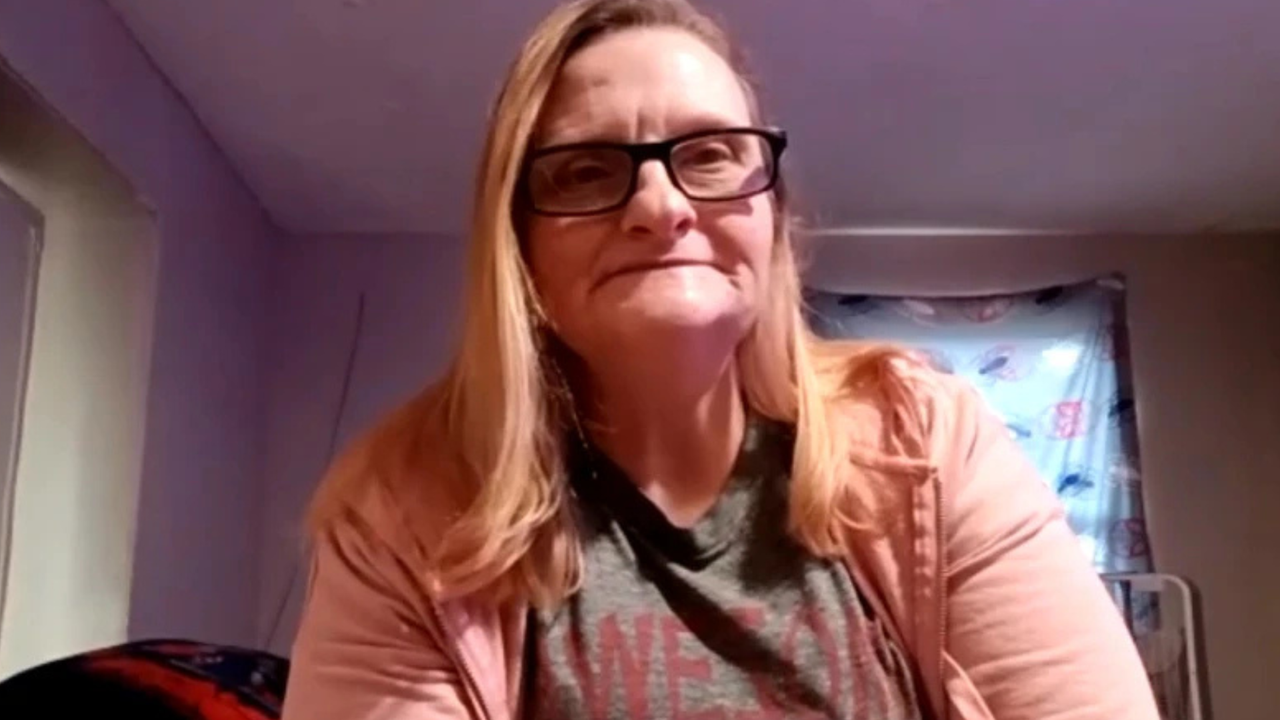
Recently, Angela Lipps—a grandmother from Tennessee—found herself living a real-life dystopian nightmare when she was wrongfully arrested. The underlying culprit wasn't human malice, but rather an AI-driven facial recognition system that confidently, yet entirely incorrectly, flagged her as a suspect. Lipps recently sat down with WDAY News to share the harrowing experience of her unjust incarceration.
This heartbreaking incident is not an isolated glitch. It is a glaring reminder of the blind spots and inaccuracies still plaguing facial recognition algorithms. Even more alarming is the fact that, despite a growing roster of innocent people being jailed due to software errors, police departments across the country continue to rely heavily on this unproven tech. As we continue to integrate AI into our daily workflows, we must aggressively demand strict oversight, rigorous testing, and ethical accountability before a line of code ruins another innocent life.