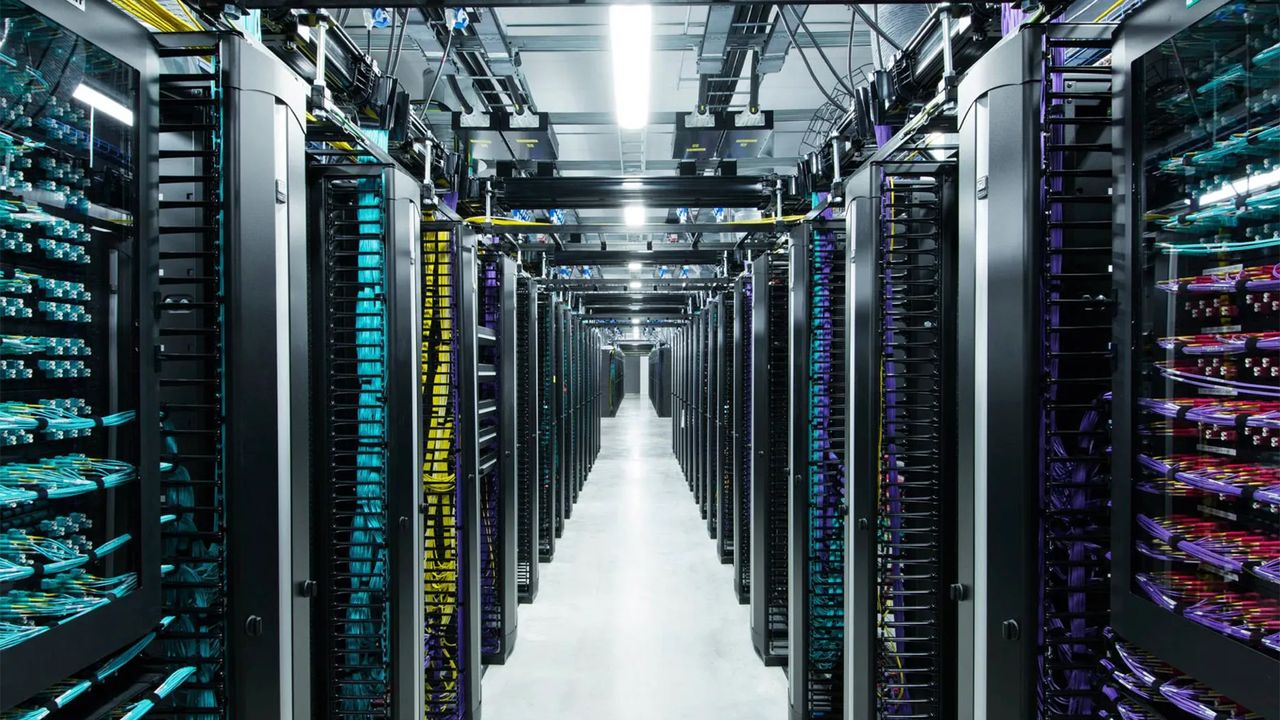
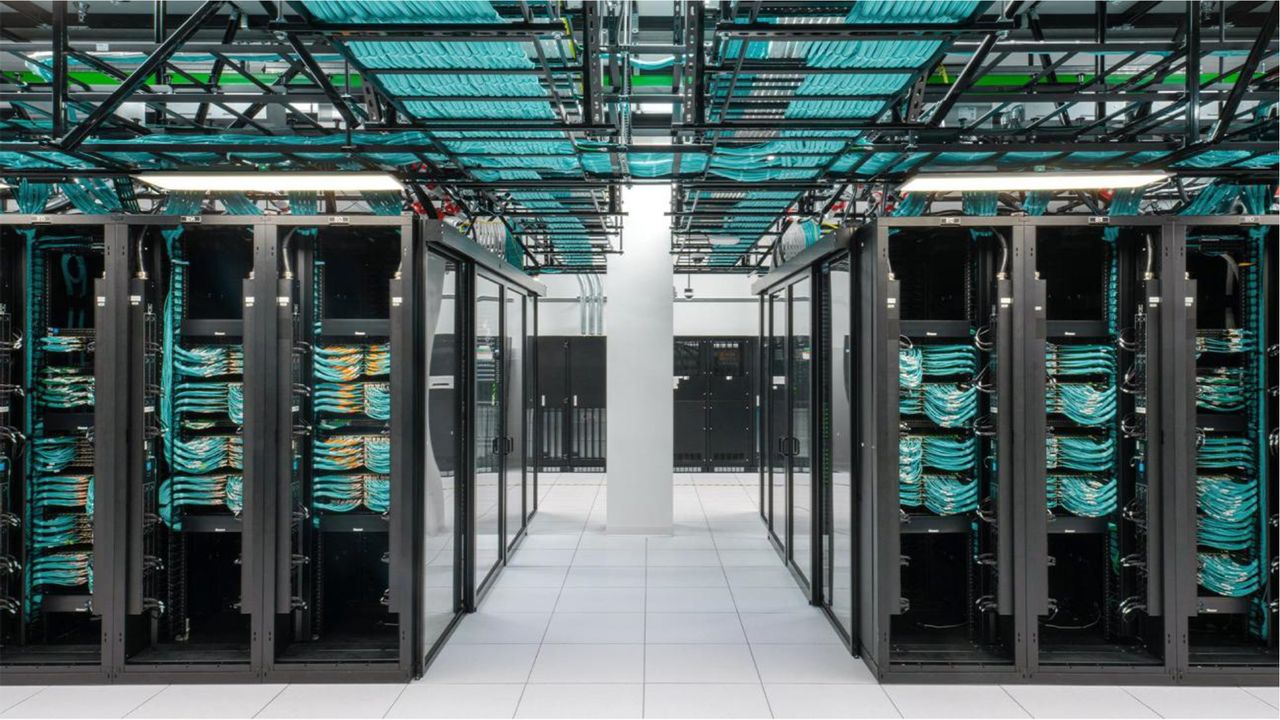
Taiwan expects power demand to increase by more than 5GW by 2030, enough to power nearly 4 million homes — rise in electricity consumption driven by semiconductor manufacturing and AI data center deployments

⚡ Quick Hits
**
- Taiwan's power demand is projected to increase by more than 5GW by 2030.
- This massive 5GW surge generates enough electricity to power nearly 4 million homes.
- The staggering rise in energy consumption is directly fueled by advanced semiconductor manufacturing and new AI data center deployments.
**
**
Greetings, tech enthusiasts! The Tech Monk here, stepping away from the daily deals to bring you a crucial macro-level look at the invisible cost of our current technological revolution. We often marvel at the blistering speeds of next-generation processors and the sheer processing capabilities of artificial intelligence, but we rarely discuss the literal power required to keep these innovations running.
Taiwan, the undisputed global heart of semiconductor manufacturing, is currently bracing for a monumental shift in its energy infrastructure. According to recent projections, the island nation expects its power demand to jump by a staggering 5 gigawatts (GW) by 2030. To put that massive number into perspective, an additional 5GW is enough electricity to keep the lights on in nearly 4 million homes.
So, what exactly is driving this insatiable thirst for electricity? It all boils down to the hardware that runs our modern world. The relentless expansion of high-end semiconductor fabrication plants—necessary to print the microscopic transistors we rely on—consumes massive amounts of energy. Couple this with the global, breathless rush to deploy power-hungry AI data centers, and you have a recipe for skyrocketing grid demands.
As we continue to push the boundaries of silicon and artificial intelligence, the physical infrastructure supporting these technologies must scale at an unprecedented rate. Keep an eye on the energy sector, as the future of tech deals and hardware pricing will increasingly be tied to the cost of keeping these massive silicon foundries and data hubs powered up!