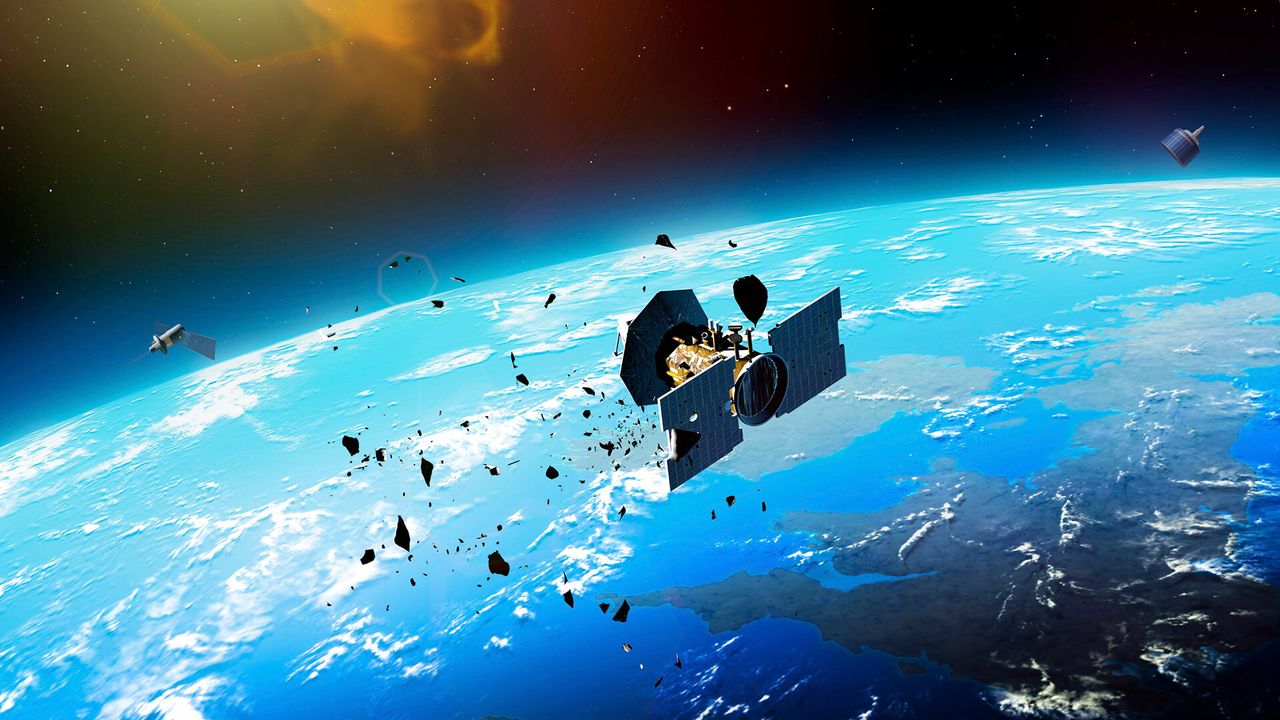
SpaceX vaporizes 260 Starlink satellites in six months using Earth's atmosphere — new environmental concerns emerge over burning 2,700-pound orbital data centers, FCC seeks to exempt satellites from regulations
⚡ Quick Hits
- Massive Deorbiting: SpaceX successfully vaporized 260 Starlink units in Earth's atmosphere over just six months.
- Ecological Concerns: Burning up these 2,700-pound "orbital data centers" at high volumes raises new questions about upper atmospheric pollution.
- Regulatory Shift: Despite mounting environmental worries, the FCC is currently seeking to exempt satellite networks from traditional environmental regulations.
Welcome back to the sanctuary of tech. The Tech Monk here, and today we are shifting our gaze from the server room to the stars—or rather, what's falling from them.
Recent reports highlight a staggering statistic in the realm of orbital infrastructure: over the course of just six months, SpaceX has vaporized 260 of its Starlink satellites using the Earth's atmosphere as an incinerator. While intentionally deorbiting older or malfunctioning satellites is a standard safety measure to prevent hazardous space debris, the sheer volume and scale of this operation are raising eyebrows.
Consider this: each Starlink unit is effectively a 2,700-pound orbital data center. When you routinely burn up that amount of dense hardware, you are injecting massive amounts of metallic ash and foreign chemical byproducts directly into our upper atmosphere. Scientists and environmentalists are beginning to sound the alarm, pointing out that we do not fully understand the long-term atmospheric impact of this continuous "vaporization" cycle.
Yet, in a surprising contrast to these growing environmental concerns, the regulatory landscape might be moving in the opposite direction. The Federal Communications Commission (FCC) is currently pushing to exempt satellite mega-constellations from comprehensive environmental reviews and regulations.
As the demand for low-latency, global satellite internet skyrockets, we are entering a new era of orbital management. The tension between maintaining a clean low-Earth orbit, protecting our atmosphere, and avoiding red tape for high-tech communication networks is a modern space race we will be keeping a very close eye on. Stay tuned.