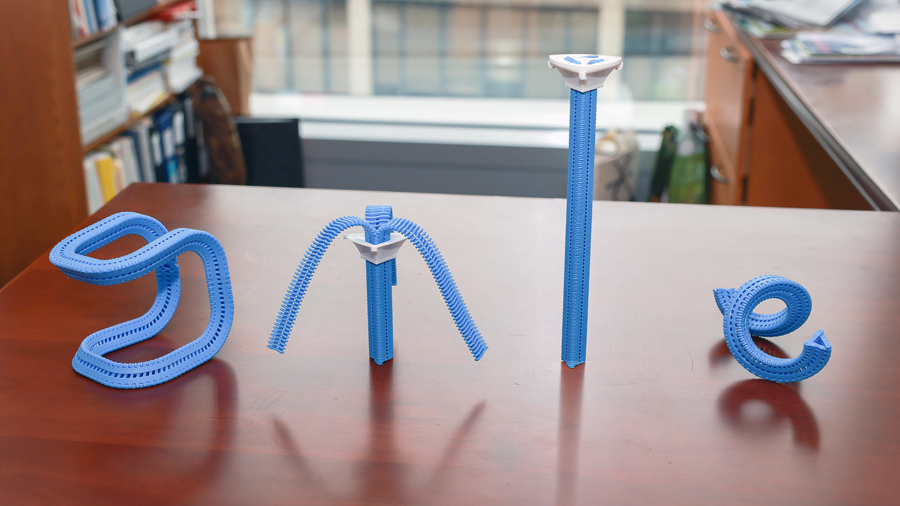
MIT researchers revive 40-year-old triangular zipper concept now made possible by 3D printing, creates shape-shifting robots and deployable structures — 3D-printed 'Y-Zipper' turns floppy tentacles into rigid beams in seconds
⚡ Quick Hits
- Revives a four-decade-old triangular zipper concept utilizing modern 3D printing technology.
- Instantly locks flexible, floppy robotic appendages into highly rigid structural beams.
- Paves the way for next-generation shape-shifting robots and rapidly deployable emergency structures.
Welcome back to the sanctuary of innovation! The Tech Monk here, bringing you a fascinating glimpse into the future of structural engineering and robotics. Sometimes, the best new tech is actually an old idea that was just waiting for manufacturing to catch up.
MIT researchers have successfully resurrected a 40-year-old mechanical concept: the triangular zipper. While the original blueprint was brilliant, it lacked the fabrication tools required to make it functional. Enter modern additive manufacturing. By leveraging today's advanced 3D printing, the MIT team has finally breathed life into the Y-Zipper.
From Floppy to Firm in Seconds
This isn't just a neat parlor trick—it is a massive breakthrough in dynamic engineering. The 3D-printed Y-Zipper operates by taking flexible, tentacle-like appendages and zipping them together. Within seconds, these floppy materials interlock to form incredibly rigid beams.
Imagine a search-and-rescue robot that can squeeze through the tight, jagged rubble of a collapsed building like an octopus, and then instantly rigidify its limbs to lift heavy debris or form a temporary load-bearing bridge.
The Future of Deployable Structures
Beyond shape-shifting robots, the implications for this technology are staggering. The Y-Zipper opens the door for rapidly deployable structures in disaster zones, portable architecture, and even space exploration where cargo space is limited but rigid structures are necessary. By seamlessly toggling between flexible and rigid states, MIT has proven that sometimes, an old theory just needs the right modern tool to finally zip it all together. Stay tuned to the monastery for more updates on how this tech develops!