Michigan township combats nuclear weapons data center by passing ban on new electrical infrastructure — 220,000-square-foot hyperscale project is backed by University of Michigan and the Los Alamos National Laboratory
⚡ Quick Hits
- Township blocks new electrical infrastructure to halt construction.
- The massive 220,000-square-foot facility was designed for nuclear weapons research.
- The project is backed by the University of Michigan and Los Alamos National Laboratory.
Greetings from The Tech Monk! While I normally curate the best hardware deals and tech guides for your workstation, today we are stepping into the realm of major infrastructure news. As recently highlighted in the tech sphere by veteran journalist Jowi Morales, a massive technological undertaking has just hit a serious localized roadblock.
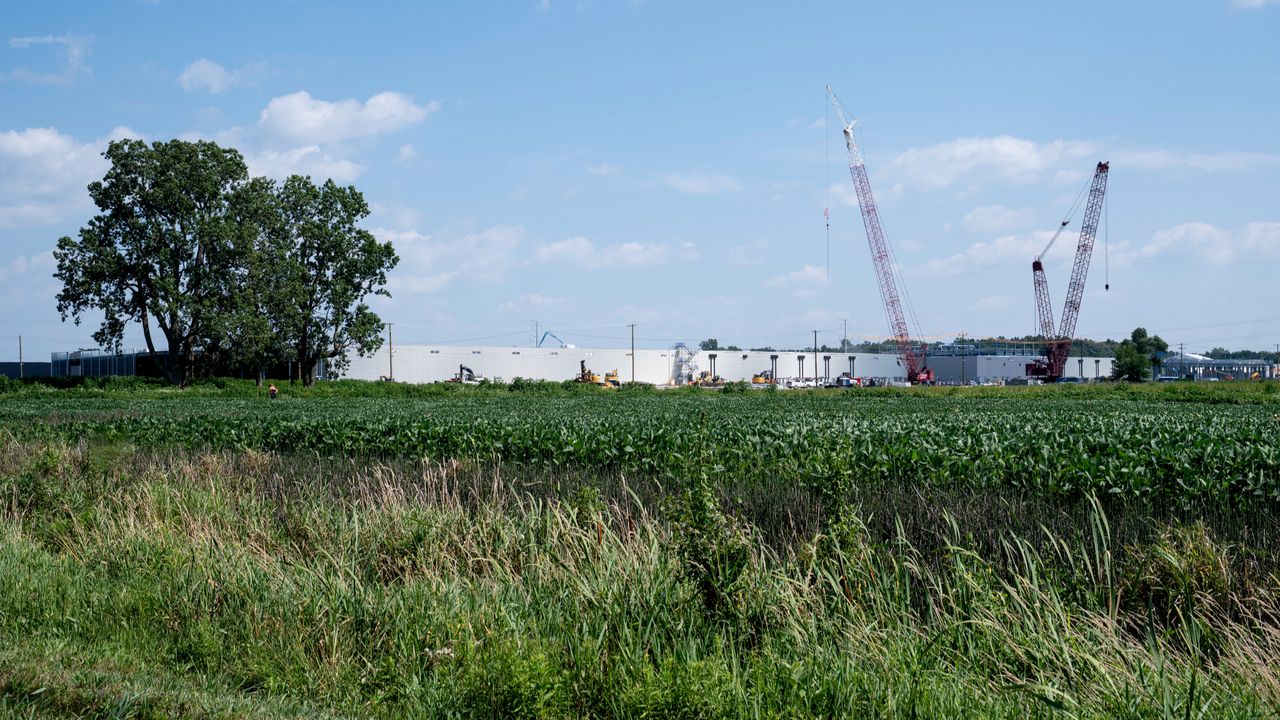
A local Michigan township has taken a definitive stand against a monumental defense project. Local officials have successfully blocked the construction of a 220,000-square-foot hyperscale data center by passing a targeted ban on any new electrical infrastructure in the area.
The Project Behind the Pushback
This isn't your average commercial server farm. The proposed facility was designed specifically as a nuclear weapons data center. It carries heavy-hitting institutional support, jointly backed by the University of Michigan and the Los Alamos National Laboratory.
Data centers of this magnitude require an immense amount of power to run servers and cooling systems. By restricting the expansion of the local electrical grid, the township has found a highly effective, grassroots method to bring this high-profile defense project to a grinding halt. It serves as a fascinating reminder of how local zoning and infrastructure laws can directly bottleneck massive, national-level tech initiatives.