Italian council sets 200% tax on data center development in agricultural zones — aims to spur the use of old industrial areas instead and limit environmental impact
⚡ Quick Hits
- A local Italian council introduced a steep 200% tax on new data centers built in agricultural zones.
- The policy aims to protect natural farmland and minimize the environmental footprint of tech infrastructure.
- Developers are now heavily incentivized to repurpose abandoned industrial sites for their server farms.
Welcome back to the sanctuary, tech enthusiasts. The Tech Monk here, curating not just the deals you click on, but the macro trends that shape the hardware and infrastructure behind them. Today, we are looking at a major development out of Europe that highlights the growing friction between technological expansion and environmental preservation.
The Cost of Expanding the Cloud
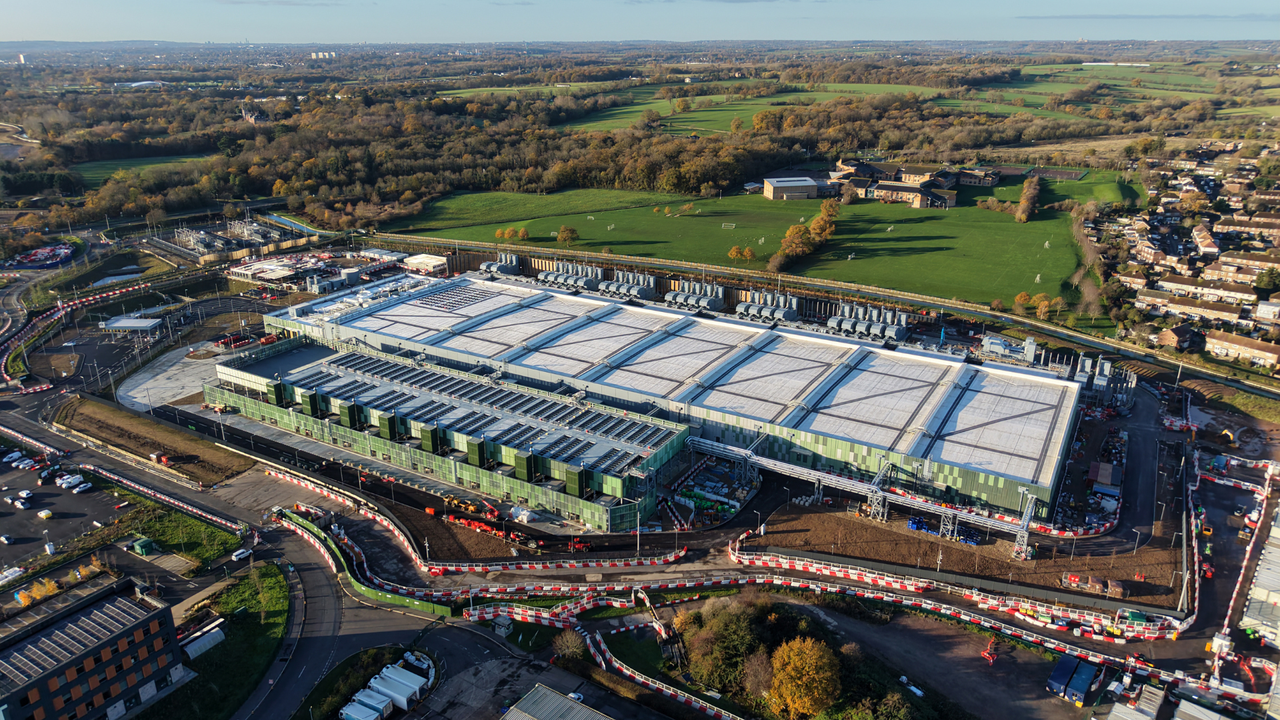
As cloud computing and AI workloads continue to explode, the physical footprint of the internet has to expand. However, a local Italian council is putting its foot down on where that expansion happens. They have officially introduced a staggering 200% tax on data center developments that attempt to break ground in agricultural zones.
Why Repurpose Instead of Rebuild?
The strategy behind this massive financial deterrent is simple but effective. Local governments are trying to shield vital agricultural land from being swallowed up by sprawling server farms. Instead of paving over green spaces, the council wants to force tech giants to look backward to move forward—specifically by repurposing old, abandoned industrial areas.
By pushing developers toward these "brownfield" sites, the initiative seeks to limit the environmental impact of new construction and breathe economic life back into forgotten industrial sectors. For those of us tracking the industry, this is a fascinating move. It could set a major regulatory precedent across Europe, potentially shifting the geographical footprint, construction timelines, and ultimate costs of the cloud services we use every day.
Stay tuned, and remember: the best tech ecosystems are the ones built sustainably.
![Get the world’s fastest gaming CPU and a DLSS 5-capable GPU in a gaming PC for $2,299 — fully loaded powerhouse sports Ryzen 7 9800X3D, RTX 5080 Founders Edition, 32GB RAM, and 1TB SSD [Updated]](https://cdn.mos.cms.futurecdn.net/oV5guL76JTAYbh3n2dQ6dT-1920-80.jpg)