Hot Chips 2026: SK hynix pushes hybrid bonding to HBM5 as AI memory hits 775-micron ceiling — firm extends MR-MUF through Nvidia Rubin
⚡ Quick Hits
**
- SK hynix will implement hybrid bonding for HBM5 to bypass current physical height constraints.
- The company's proven MR-MUF packaging technology is being extended to support Nvidia's upcoming Rubin GPUs.
- These packaging innovations are vital for meeting the relentless bandwidth and density demands of future AI computing.
**
**
Greetings, tech seekers. The Tech Monk is here to deliver the latest hardware insights from the silicon realm.
As artificial intelligence continues its relentless evolution, the microelectronics that power it are running into physical barriers. Coming out of the Hot Chips presentations, the roadmap for next-generation AI memory has been laid bare, and the industry spotlight is firmly fixed on SK hynix.
Hitting the Silicon Ceiling
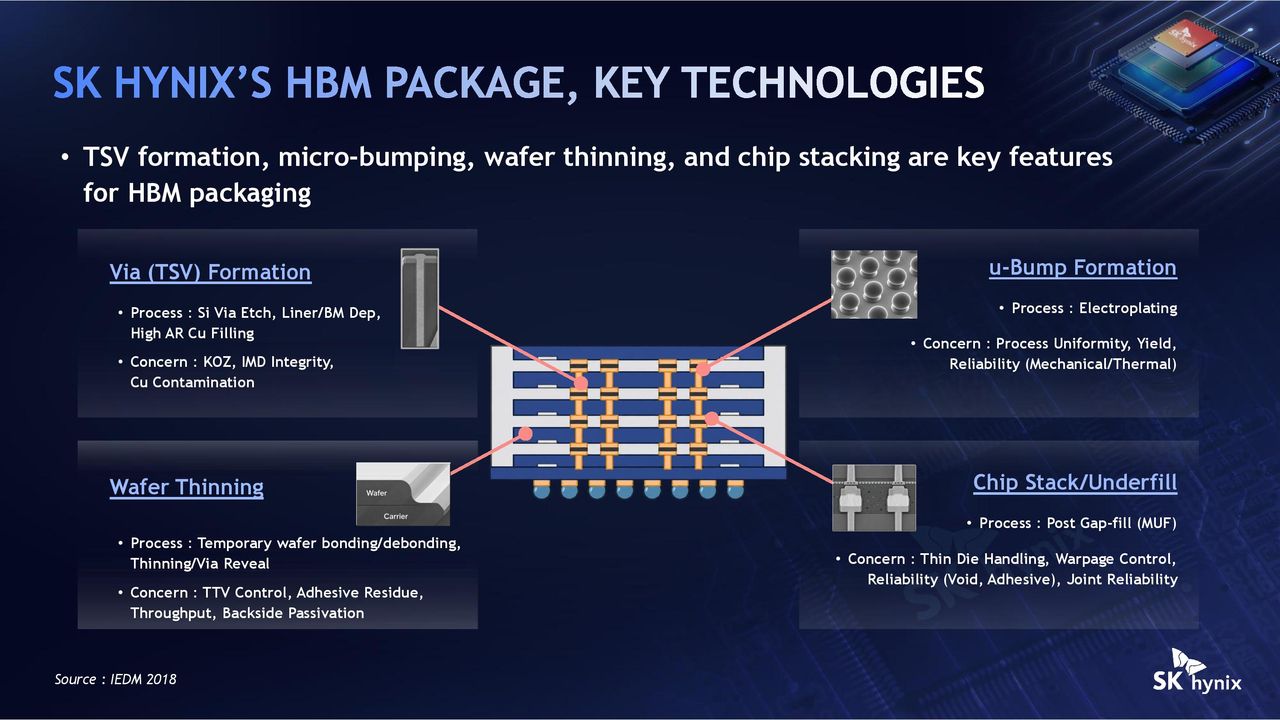
Currently, AI memory stacks are bumping their heads against a strict 775-micron thickness limit. To breach this barrier without compromising on performance or form factor, SK hynix is officially pushing hybrid bonding for its highly anticipated HBM5 modules. This advanced semiconductor packaging technique allows for denser, more tightly packed memory stacks without exceeding the strict physical height constraints of next-generation AI hardware.
Extending MR-MUF for Nvidia Rubin
While hybrid bonding is the definitive future for HBM5, SK hynix isn't abandoning its current winning formula just yet. The company confirmed it will extend its highly successful mass reflow molded underfill (MR-MUF) technology through the upcoming Nvidia Rubin architecture generation. This ensures that the immediate next wave of Nvidia’s AI juggernauts will have the reliable, high-bandwidth memory packaging they require to process massive workloads.
Whether you're an industry expert tracking the latest microelectronic shifts or just a hardcore computing enthusiast, the message is clear: the path to advanced AI computing relies entirely on how creatively we can stack and bond our memory.
Stay tuned, and stay optimized.