Errant SpaceX rocket stage set to smash into the moon at 5,400 mph, seven times the speed of sound — NASA and South Korean orbiters prepare to track 3-ton TNT impact
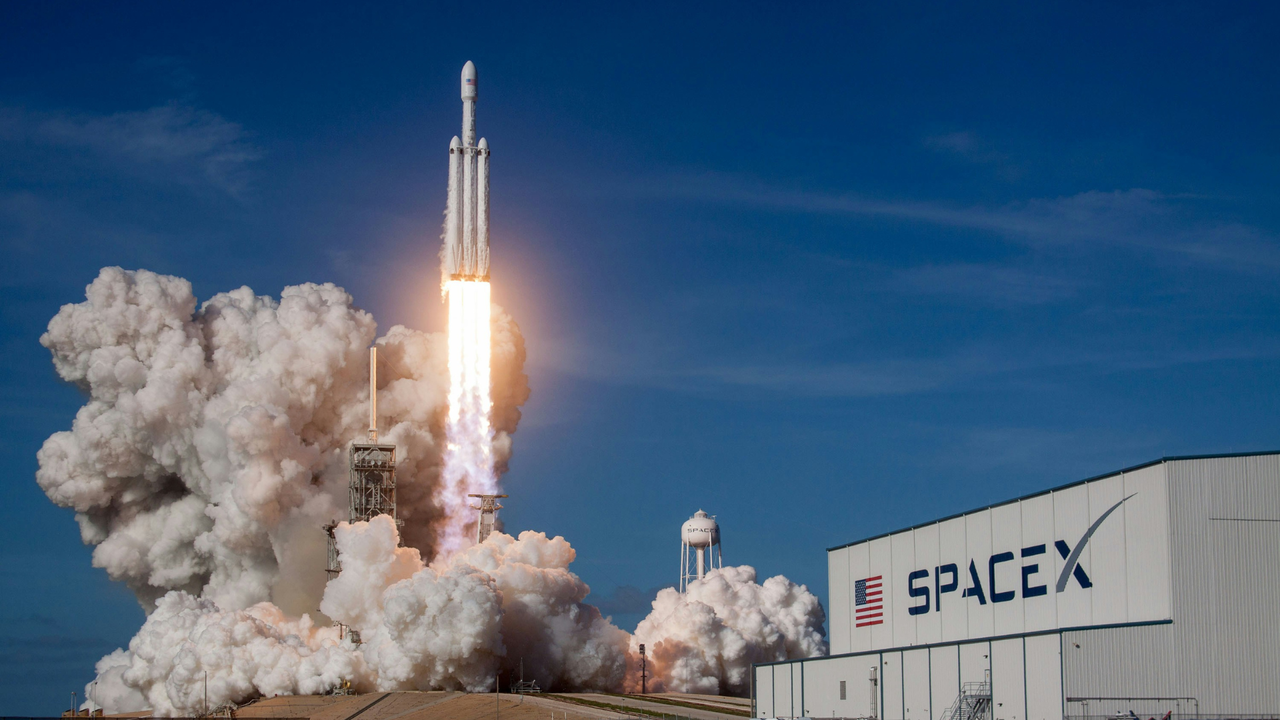
⚡ Quick Hits
**
- An out-of-control SpaceX rocket stage will impact the lunar surface at seven times the speed of sound.
- The high-speed collision is expected to yield a massive blast equivalent to 3 tons of TNT.
- NASA and South Korean orbiters are repositioning to track the impact and study the resulting lunar crater.
**
**
Greetings from The Tech Monk. While my sanctuary is usually filled with the latest silicon and software deals, today our focus shifts to the stars. We are tracking a fascinating—and highly unusual—development in the aerospace sector.
The Ultimate Crash Test
An errant SpaceX rocket stage has found itself on a one-way collision course with the moon. Traveling at an astounding 5,400 mph (roughly seven times the speed of sound), the discarded piece of space hardware is set to smash into the lunar surface.
While it might sound like an alarming piece of space junk gone rogue, the astronomical community is treating this as a massive, free scientific experiment. The impact is expected to release energy equivalent to 3 tons of TNT. Both NASA and South Korean lunar orbiters are actively preparing their instruments to track the collision in real-time. By studying the impact crater and the debris plume, scientists hope to uncover hidden details about the moon's subsurface composition.
Behind the Coverage
A quick tip of the monk's hat: This celestial update was brought to our attention via the tech and aviation reporting of Jowi Morales. A veteran journalist who cut his teeth accidentally deleting his dad's Windows 95 operating system in the year 2000, Jowi has evolved from a curious hardware tinkerer into a trusted, multi-platform tech voice covering everything from Cupertino's latest chips to aerospace engineering.
Stay tuned, stay mindful, and keep your eyes on the skies—the tech world is always moving faster than the speed of sound.