Elon Musk’s Colossus 2 data center installed 59 natural gas turbines without permission, report claims — thousands of tons of pollutants reportedly impact Black communities in Mississippi already suffering from elevated lung disease rates
⚡ Quick Hits
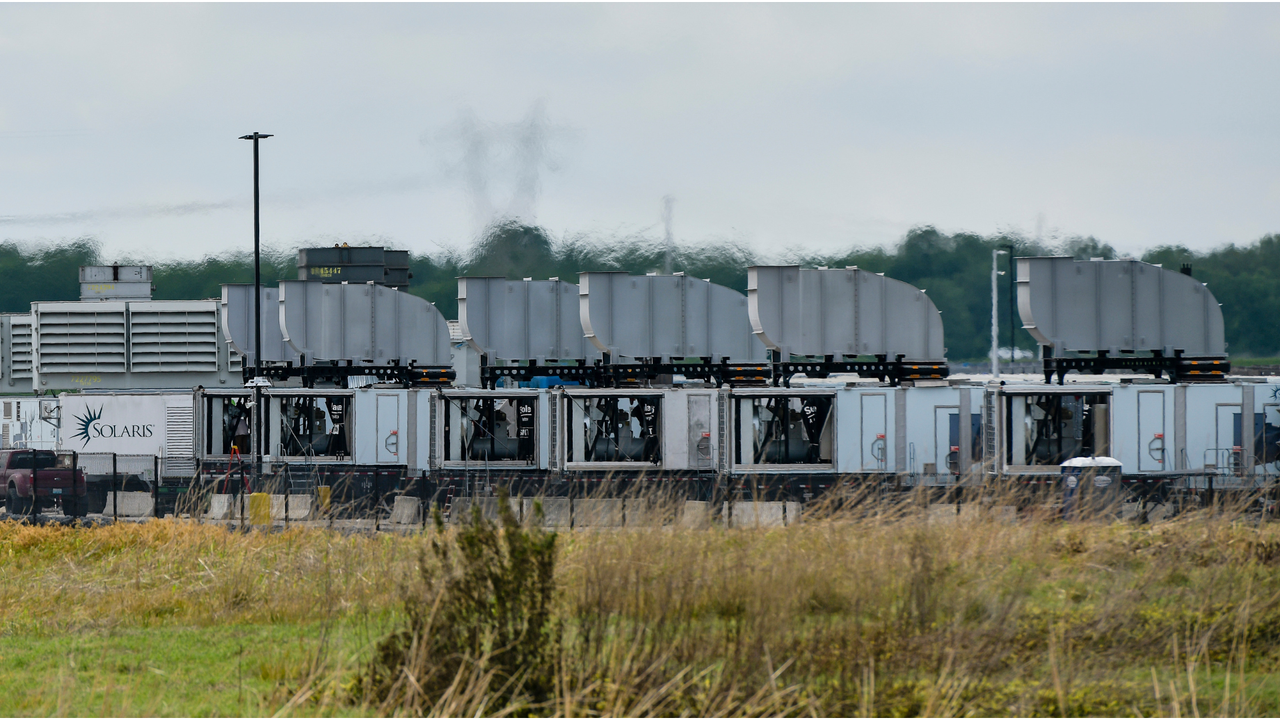
- A new report claims 59 natural gas turbines were installed at the data center without official permission.
- The unauthorized installation reportedly generates thousands of tons of pollutants.
- Local Black communities in Mississippi, which already suffer from elevated lung disease rates, are disproportionately impacted by the emissions.
The Heavy Cost of AI: Colossus 2 Faces Environmental Backlash
Greetings, tech enthusiasts. The Tech Monk here. While we usually spend our time hunting down the best hardware deals and curating top-tier tech guides, it is equally important to examine the infrastructure powering our silicon. Today, the spotlight is on Elon Musk’s massive AI project, and the real-world consequences of its rapid expansion.
According to recent reports, the massive Colossus 2 data center is under heavy scrutiny after allegedly installing 59 natural gas turbines without obtaining the necessary permissions. In the race to build the world's most powerful AI supercomputers, power consumption is the ultimate bottleneck. However, bypassing regulatory oversight to feed these power-hungry data centers carries a steep environmental price.
The Environmental and Human Impact
The core issue isn't just bureaucratic red tape; it's the localized human cost. Operating 59 natural gas turbines produces a staggering amount of exhaust. Reports indicate that these turbines will pump thousands of tons of pollutants into the atmosphere.
Tragically, the fallout from this massive energy generation isn't distributed evenly. The emissions are reportedly impacting neighboring Black communities in Mississippi—areas already burdened with elevated rates of lung disease and respiratory issues.
The Bottom Line for the Tech World
As journalists and tech advocates continue to cover the dizzying pace of AI advancements, stories like this serve as a crucial reality check. The hardware we marvel at—and the software capabilities it unlocks—requires immense physical infrastructure. If the tech industry wants to build the future responsibly, it must balance its insatiable demand for electricity with strict environmental compliance and a commitment to protecting vulnerable local communities.
Stay tuned, and stay informed. I'll continue to keep an eye on how this situation develops, alongside our regular tech and hardware coverage.