China shifting massive AI data center complexes to rural provinces to tap surplus energy — ‘Eastern Data, Western Computing’ strategy has Chinese tech giants Huawei and Tencent building AI infrastructure Guizhou
⚡ Quick Hits
**
- China is moving demanding AI computing workloads from eastern coastal cities to western rural provinces.
- Tech behemoths Huawei and Tencent are leading the massive infrastructure build-out in Guizhou.
- The strategy allows these companies to power resource-heavy AI operations using the region's surplus energy.
**
**
The AI Migration: China's "Eastern Data, Western Computing" Strategy
Greetings, tech enthusiasts! The Tech Monk here, bringing you the latest architectural shifts from the global technology landscape. While we are always on the hunt for the best consumer hardware deals, today we are looking at the macro-level hardware that powers the software we use every day: the mighty data center.
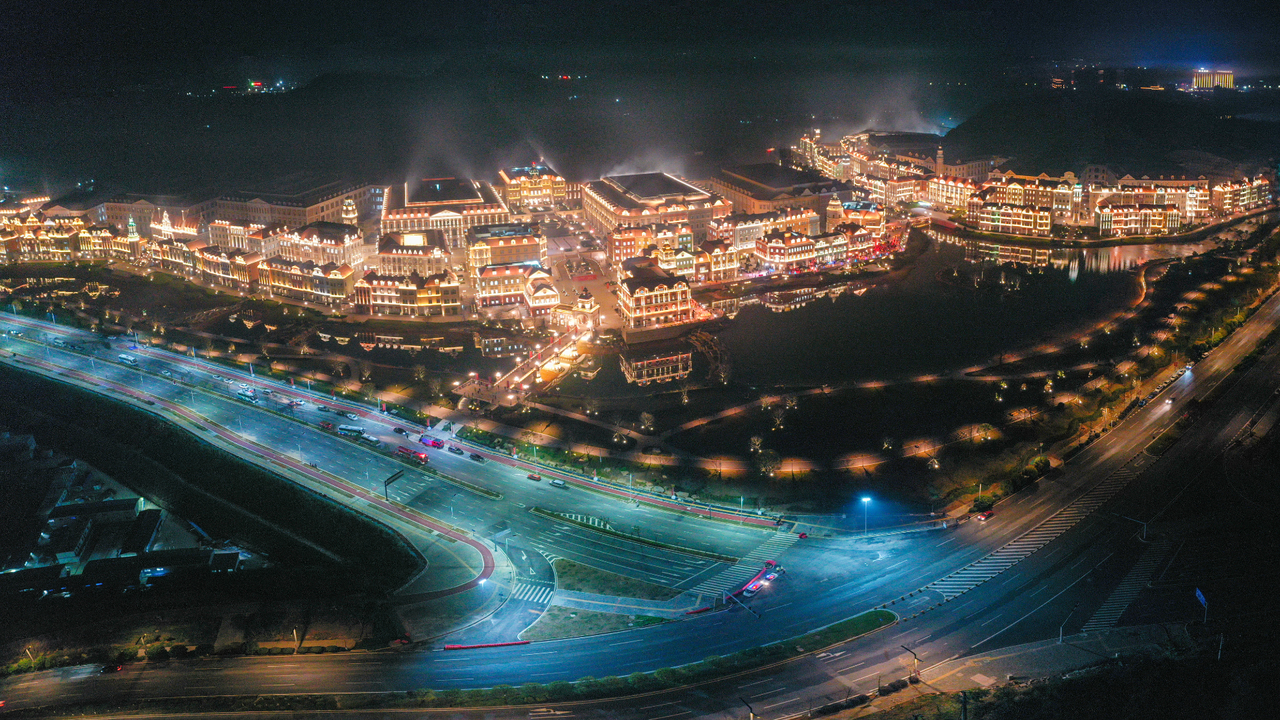
China has officially set in motion a massive infrastructure initiative dubbed the "Eastern Data, Western Computing" strategy. As the demand for artificial intelligence skyrockets, so does the power required to train and maintain these complex models. To solve this, Chinese tech giants like Huawei and Tencent are packing up their computational heavy lifting and shifting massive AI data center complexes to rural provinces like Guizhou.
Why the Shift?
It all comes down to efficiency and power. Eastern coastal cities in China are densely populated data hubs, but they lack the abundant, cheap energy required to sustain next-generation AI infrastructure. By moving these massive server farms out west, companies can tap into incredible amounts of surplus energy—often renewable sources like hydro and wind—that are abundant in rural provinces.
This strategic shift not only cuts down on operational bottlenecks but ensures that the demanding power requirements of AI development don't strain the grids of major metropolises. For those of us watching the global tech race, this move represents a fascinating approach to solving the modern power crisis brought on by the AI boom.
Stay tuned, stay mindful, and as always, keep your tech running efficiently!
- The Tech Monk