Chernobyl virus turned 27 today, and it could brick your PC in ways modern malware can't by overwriting BIOS firmware
⚡ Quick Hits
**
- The infamous Chernobyl (CIH) virus recently turned 27 years old.
- Unlike most modern malware, it rendered hardware completely useless by destroying BIOS firmware.
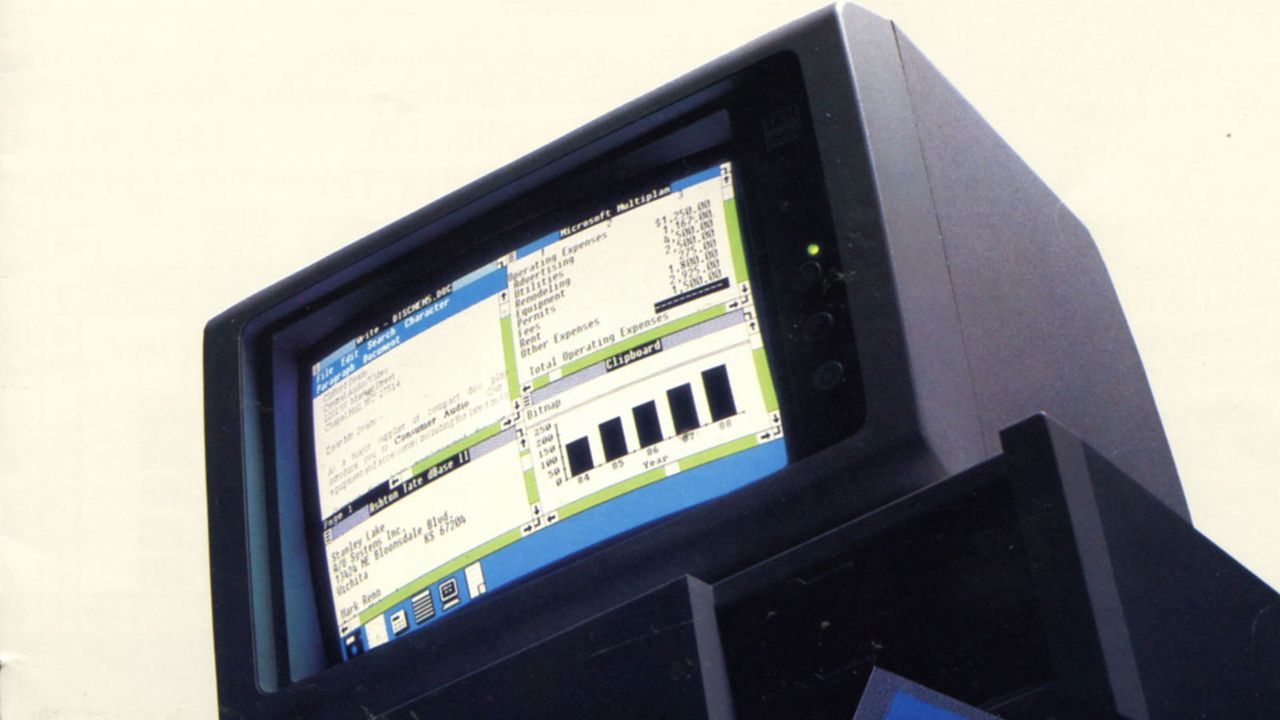
- Preserved retro computing artifacts, like old Windows 1 brochures, remind us of how vulnerable early operating systems were.
**
**
Greetings, fellow tech enthusiasts. The Tech Monk here, stepping away from our usual daily deal hunts to take a fascinating—and slightly terrifying—trip down digital memory lane.
Today marks the 27th anniversary of the Chernobyl virus (widely known as CIH), a legendary piece of late-90s malware that struck absolute fear into the hearts of PC users. While modern malware typically focuses on ransomware, cryptocurrency mining, or stealthy data theft, the Chernobyl virus did the unthinkable: it directly attacked your hardware. By successfully overwriting the motherboard's BIOS firmware, it left infected computers entirely unbootable, turning expensive desktop towers into oversized paperweights.
When we look back at vintage tech history—sometimes stumbling across nostalgic artifacts like a classic Windows 1 brochure scan—it highlights just how drastically the cybersecurity landscape has evolved. In the 90s, a single malicious file could literally force you to buy a new motherboard. Today, modern architectures and secure boot protocols make our hardware significantly more resilient against these deep-level firmware attacks.
Take a moment to appreciate the robust security of your modern machines, keep your firmware updated, and as always, stay mindful of your clicks!