Analyzing Elon Musk's TeraFab — A step towards Tesla and SpaceX's partial vertical integration, or an unattainable dream?
⚡ Quick Hits
- Musk envisions an in-house "TeraFab" to handle massive silicon production needs.
- The move aims to shift reliance away from third-party foundry giants like TSMC.
- Industry experts remain divided on whether this partial vertical integration is a realistic goal or an unattainable dream.
Greetings from The Tech Monk. Today, we are diving into the latest ambitious whisper in the tech manufacturing space: Elon Musk's proposed TeraFab.
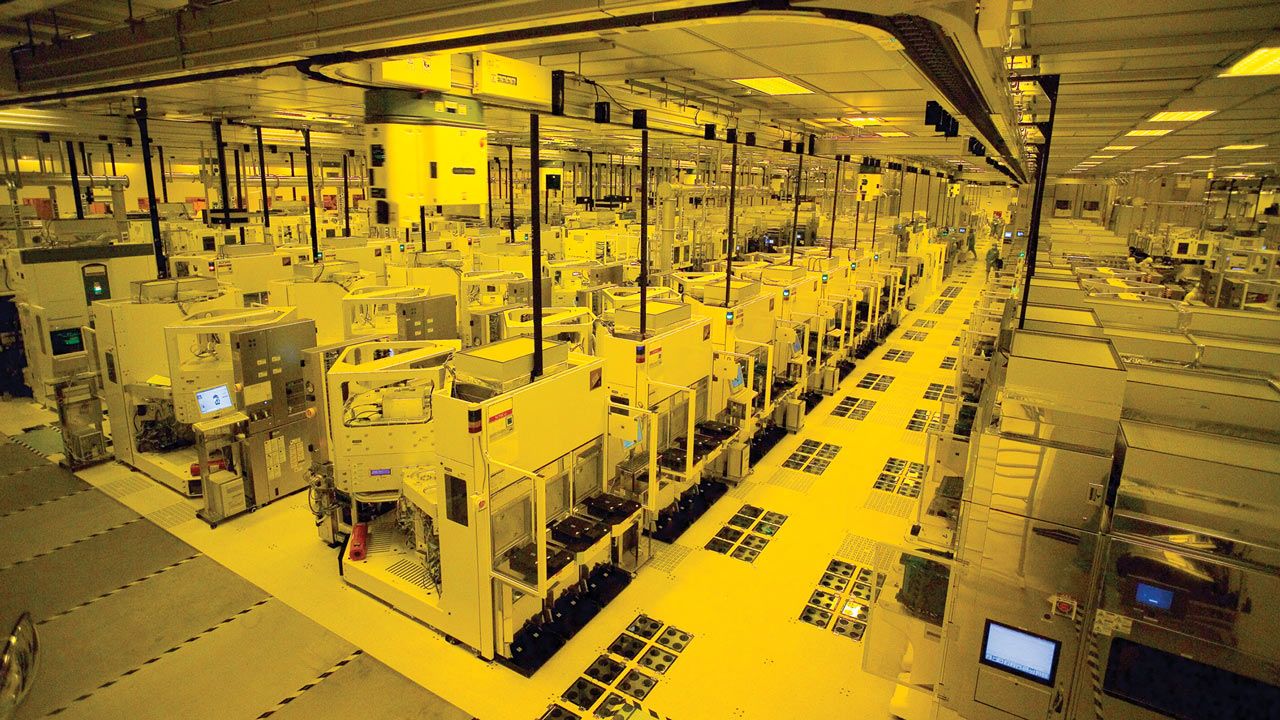
With Tesla and SpaceX demanding an ever-increasing supply of advanced silicon for AI, vehicles, and aerospace technologies, relying purely on external partners like a traditional TSMC fab is increasingly viewed as a strategic bottleneck. Enter the TeraFab concept—a massive, conceptual push toward partial vertical integration.
By bringing chip fabrication directly into his own corporate ecosystem, Musk hopes to secure and control the vital supply chains required for his future tech endeavors. However, building a cutting-edge semiconductor foundry is notoriously difficult, heavily guarded by patents, and highly capital-intensive.
The industry is currently asking a billion-dollar question: Is the TeraFab a brilliant, necessary step toward ultimate supply chain independence, or simply an unattainable dream? As always, I'll be keeping a close eye on this development to see if the TeraFab ever truly breaks ground. Stay tuned.