Air Liquide opens Taiwan factory as helium shortage tightens around chip makers — 200 specialized helium containers stranded near the Strait of Hormuz
⚡ Quick Hits
- Air Liquide is opening a new facility in Taiwan to directly support semiconductor manufacturers.
- The tech industry is currently facing a tightening global supply of helium, a critical element for chip fabrication.
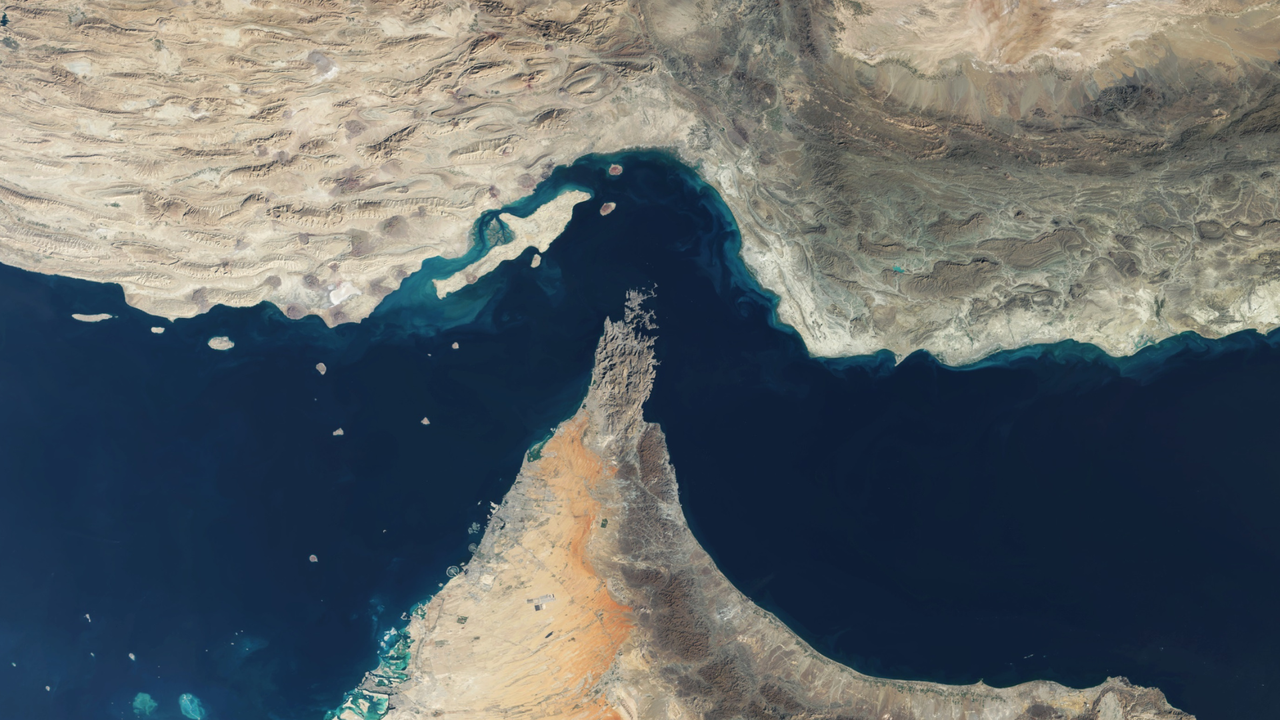
- Logistics issues are compounding the shortage, with 200 specialized helium containers currently stranded near the Strait of Hormuz.
Greetings, tech enthusiasts and savvy hardware hunters. The Tech Monk here, bringing you a critical supply chain update that could have massive ripple effects on the tech hardware market. When we think of computer chips, we usually think of silicon, but there is an unsung hero in the manufacturing process: helium. Right now, that hero is in short supply.
The Helium Bottleneck
French industrial gas giant Air Liquide is stepping up to the plate by opening a brand-new factory in Taiwan. This is a highly strategic move designed to alleviate the mounting pressure on major chipmakers who are currently grappling with a severe tightening of global helium supplies. Because helium is vital for cooling and controlling the environment during semiconductor fabrication, any shortage directly threatens the production of the processors that power our PCs, smartphones, and servers.
Stranded at Sea
Why the sudden squeeze? Global logistics are taking a massive hit. Currently, 200 specialized helium containers are stranded near the Strait of Hormuz. This critical logistical and geopolitical hurdle is bottlenecking the supply chain, making localized production facilities like Air Liquide's new Taiwan plant absolutely essential to keeping the semiconductor industry afloat.
As your dedicated tech curator, I'll be keeping a close eye on this. Supply chain bottlenecks often lead to hardware shortages and price hikes down the road, so if you are planning a PC build or a server upgrade, you might want to lock in your deals sooner rather than later. Stay vigilant, and may your core temperatures remain low!