Piecemakers bets edge AI devices will diverge from reliance on HBM — custom-designed memory fuses DRAM stack directly to the processor using hybrid bonding
⚡ Quick Hits
- Piecemakers is shifting edge AI devices away from standard HBM reliance.
- Their new architecture uses hybrid bonding to fuse the DRAM stack directly to the processor.
- This direct-fusion approach is designed to deliver superior efficiency and bandwidth specifically for edge computing workloads.
Greetings, tech enthusiasts. The Tech Monk here, bringing you the latest insights from the bleeding edge of computing hardware.
While the mainstream tech world remains hyper-fixated on High Bandwidth Memory (HBM) shortages for massive data center GPUs, a quiet revolution is happening at the edge. Hardware innovator Piecemakers is making a bold bet that the future of localized, edge AI devices won't rely on traditional HBM at all.
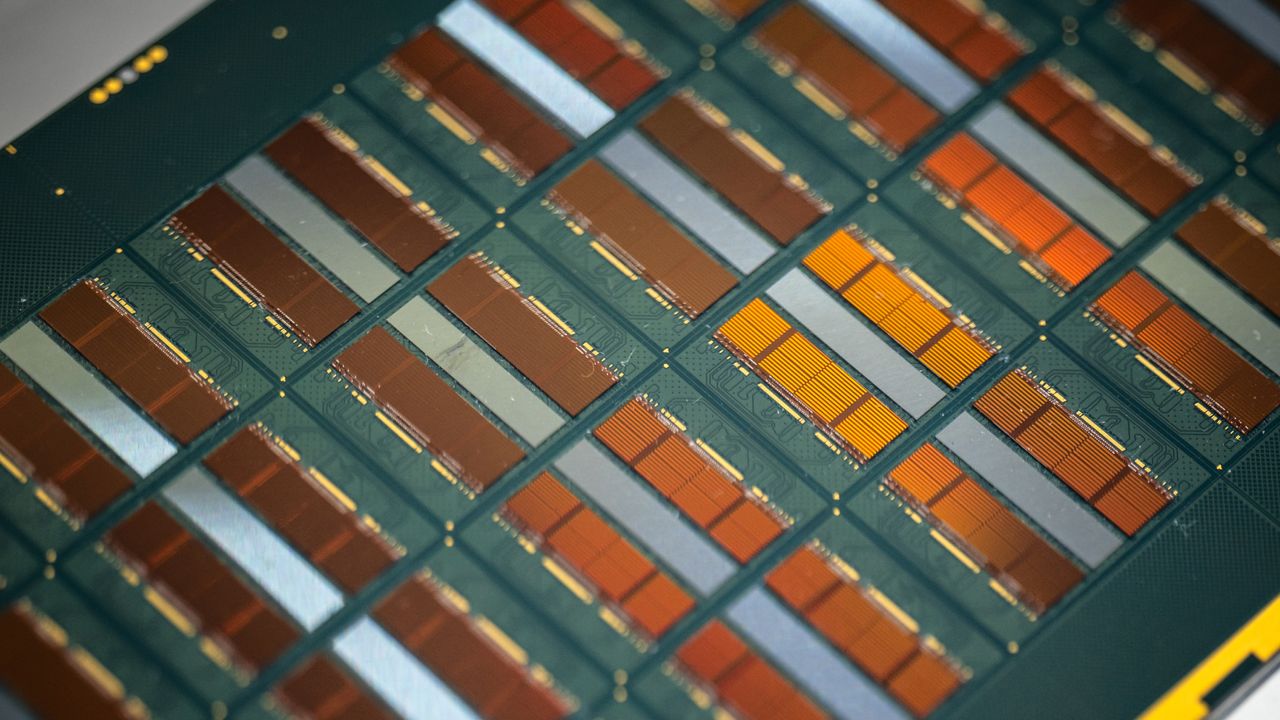
Instead, they are taking a radically integrated approach. Piecemakers is developing a custom-designed memory architecture that uses advanced hybrid bonding to fuse a DRAM stack directly to the processor.
Why This Matters for Edge AI
Traditional memory architectures often suffer from latency and power inefficiencies due to the physical distance and interconnects between the processing unit and the memory modules. By fusing the DRAM right onto the processor die, Piecemakers drastically shortens the data travel distance.
For edge AI devices—which need to process complex algorithms locally without tapping into the cloud—power efficiency and minimal latency are critical. This custom hybrid-bonded solution could bypass the heavy thermal and power requirements of standard HBM, paving the way for smarter, faster, and more efficient localized AI.
As the industry continues to push the boundaries of what edge devices can achieve, keeping an eye on alternative packaging and memory innovations like this is essential. Stay tuned, and stay optimized.