iPhone 18 Pro Max storage can drop lower than a hard drive at 1.1 MB/s during heavy writes — QLC NAND offers higher capacity but reportedly suffers 38% drop compared to TLC-based Pro
⚡ Quick Hits
- Apple's rumored shift to QLC NAND allows for higher storage capacities but sacrifices sustained write speeds.
- During intense write operations, performance can throttle down to a sluggish 1.1 MB/s once the cache fills up.
- The QLC storage reportedly suffers a 38% overall performance penalty when compared to the TLC-based Pro models.
The QLC Trade-off: Is the 18 Pro Max Sacrificing Speed for Space?
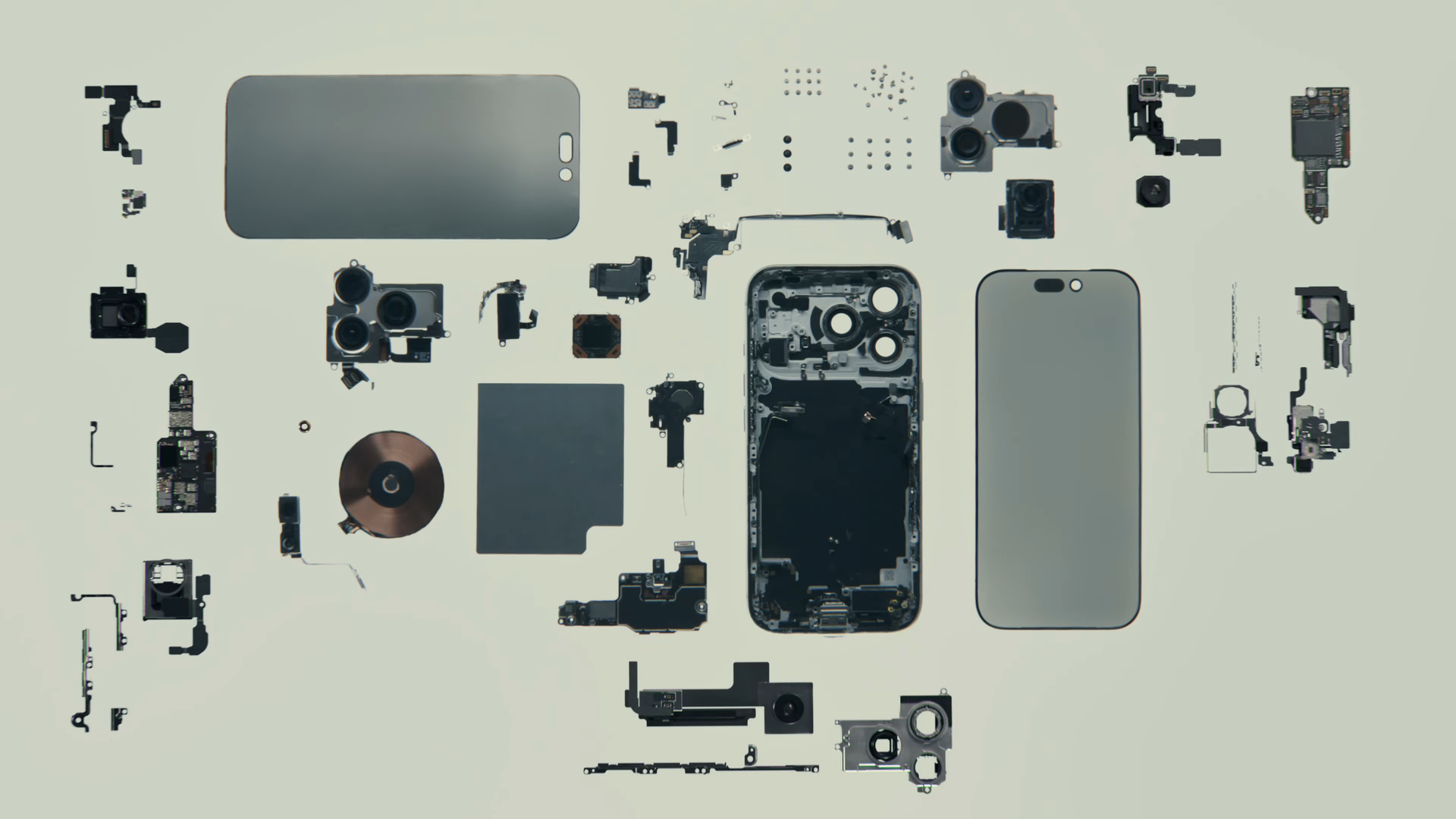
Greetings from The Tech Monk. When it comes to curating the best tech, understanding the silicon inside your device is just as important as the shiny exterior. A highly concerning report regarding the upcoming Apple iPhone 18 Pro Max has surfaced, shedding light on the hidden costs of massive smartphone storage capacities.
According to recent industry findings (highlighted by Tom's Hardware), the push for higher-tier storage is forcing a shift from Triple-Level Cell (TLC) to Quad-Level Cell (QLC) NAND flash memory. While QLC drives are excellent for achieving massive storage capacities in a compact footprint, they come with a severe Achilles' heel: sustained write performance.
The data suggests that during heavy, continuous write operations—such as recording massive ProRes 4K video files or transferring large data dumps—the QLC NAND in the iPhone 18 Pro Max suffers a staggering 38% performance drop compared to the TLC-based Pro models. Once the faster SLC (Single-Level Cell) cache is exhausted, the native QLC write speeds can reportedly plummet to an agonizingly slow 1.1 MB/s.
To put that into perspective, 1.1 MB/s is significantly slower than a traditional mechanical spinning hard drive, and closer to the speeds we used to see on legacy flash drives. For power users and mobile videographers who rely on Apple's flagship devices for top-tier, uninterrupted performance, this architectural tradeoff could become a severe bottleneck.
As always, The Tech Monk will continue to monitor the supply chain. We are keeping a close eye on whether Apple will implement an upgraded storage controller or larger cache buffers to mitigate this sluggishness before the device officially hits the market. Stay tuned, and always look beneath the spec sheet.