Hotspot temperature sensor on Nvidia's Blackwell gaming GPUs is still accessible if you have access to Nvidia's internal MODS tool — Nvidia RTX 5070 Ti caught throttling at 107°C over poor TIM application
⚡ Quick Hits
- Hidden Sensors: Hotspot temperature readings on new Blackwell GPUs are currently accessible if you utilize Nvidia's internal MODS software.
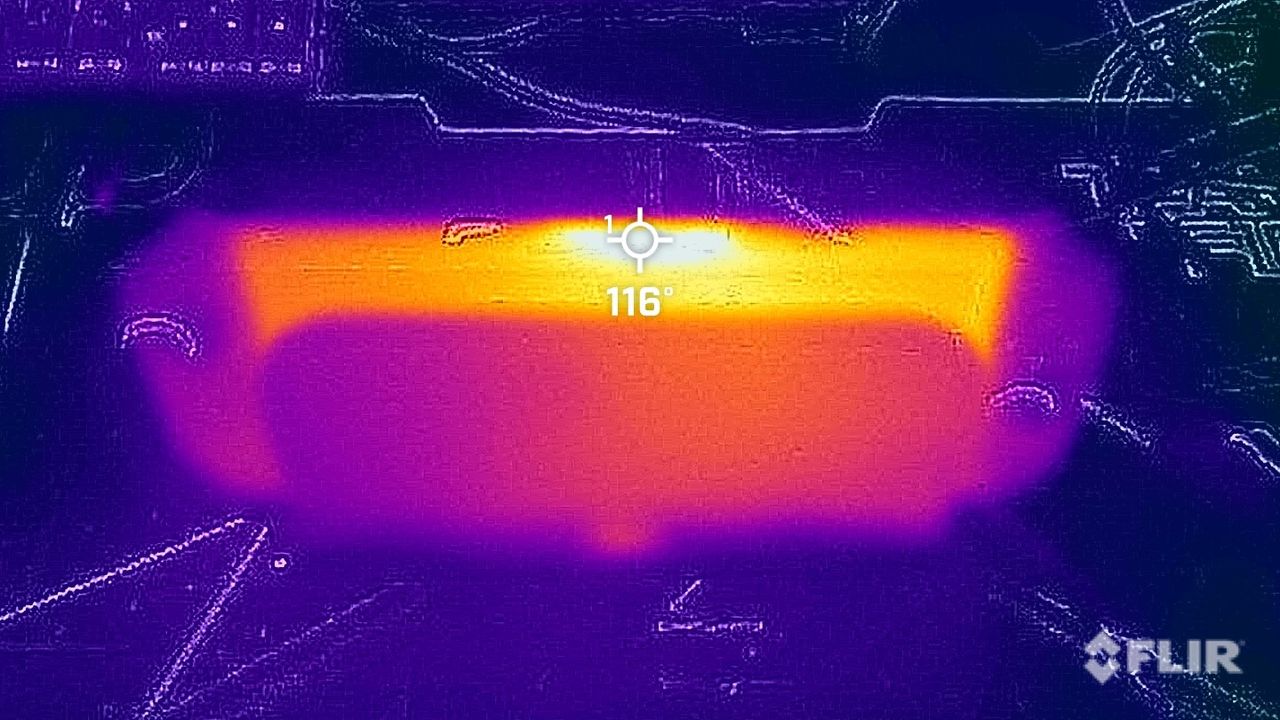
- Thermal Throttling: An early RTX 5070 Ti unit was caught hitting 107°C, causing the card to severely throttle its performance.
- Factory Flaw: The extreme overheating issue was traced directly back to a poor application of Thermal Interface Material (TIM).
The Tech Monk's Hardware Breakdown: RTX 5070 Ti Thermal Troubles
Greetings, tech enthusiasts! The Tech Monk here with some freshly brewed hardware news that is coming in a little too hot. While we are all eagerly awaiting the full rollout of Nvidia's next-generation Blackwell gaming GPUs, early reports are shedding light on potential thermal hurdles you should be aware of before dealing with your next upgrade.
According to recent leaks, an Nvidia RTX 5070 Ti was caught thermal throttling at a staggering 107°C. While standard consumer monitoring software currently struggles to read the deeper telemetry of the new Blackwell architecture, this specific hotspot data was successfully extracted using Nvidia's internal MODS diagnostic tool.
So, what caused this massive temperature spike? Fortunately, it doesn't appear to be an inherent flaw in the Blackwell silicon itself. Instead, the culprit was a surprisingly basic manufacturing error: a poor application of Thermal Interface Material (TIM). The thermal paste simply wasn't applied correctly, leading to a massive buildup of heat at the GPU hotspot and forcing the card to throttle itself to survive.
As we inch closer to wider availability of the RTX 50-series, this serves as a great reminder to always monitor your new hardware's thermals right out of the box. Even premium, next-generation tech can be sidelined by a bad factory paste job! Stay cool, and stay tuned for more hardware insights.