Enthusiast ‘lands’ on the moon using hardware from the 1980s — ZX Spectrum home computer with 3.5 MHz CPU and 48KB of memory power Kerbal space flight
⚡ Quick Hits
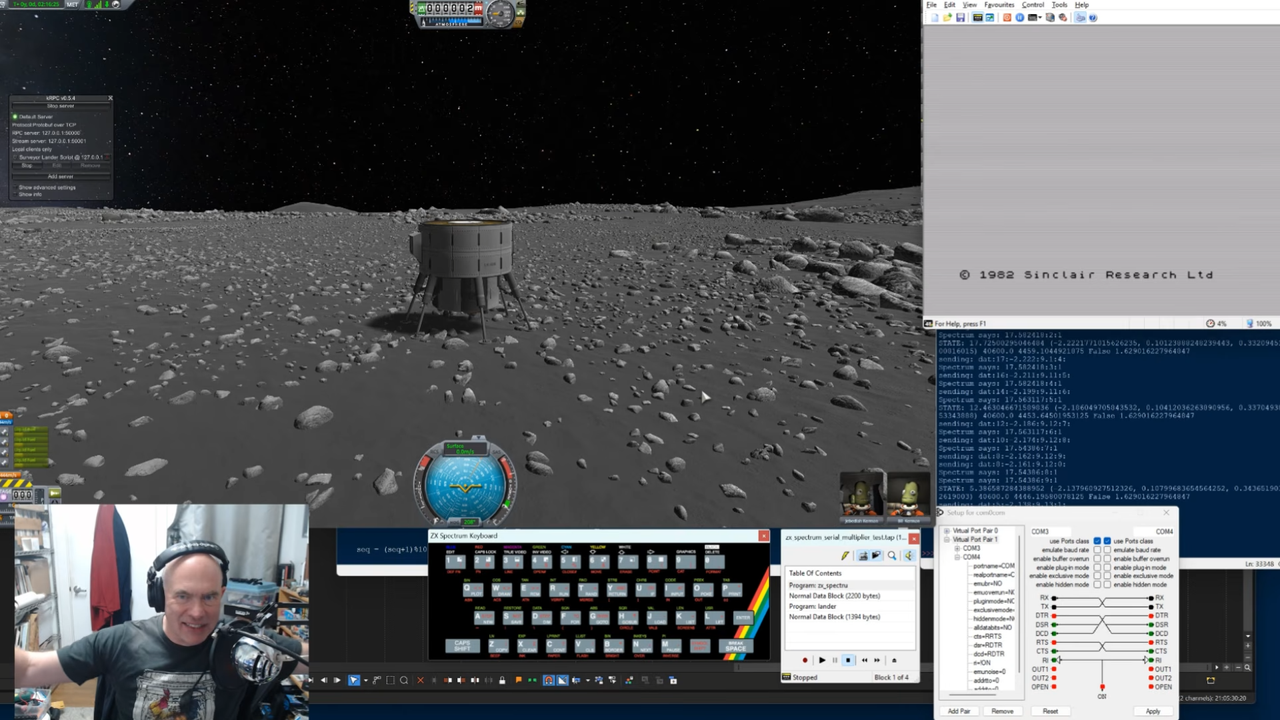
- Scott Manley used a vintage 1980s ZX Spectrum to pilot a spacecraft in Kerbal Space Program.
- The retro system operates on incredibly constrained hardware, featuring just a 3.5 MHz CPU and 48KB of RAM.
- This feat highlights the amazing ingenuity of the retro-computing community in bridging classic hardware with modern physics simulations.
Greetings, tech enthusiasts! The Tech Monk here with a fascinating story that proves you don't always need the latest, most expensive silicon to pull off incredible feats.
In a spectacular display of retro-computing prowess, renowned space and gaming enthusiast Scott Manley has successfully "landed" on the moon using hardware that most of us left behind in the 1980s. Instead of relying on a modern, multi-core gaming rig, Manley turned to the legendary ZX Spectrum.
To put this astronomical achievement into perspective, this vintage machine runs on a microscopic 3.5 MHz CPU and is equipped with a mere 48KB of memory. Despite these immense hardware limitations compared to today's gigahertz-heavy standards, Manley managed to interface the classic computer to control a spacecraft and execute a flawless lunar landing within the highly complex physics engine of Kerbal Space Program.
While I spend my days curating the best deals on cutting-edge tech, this story is a beautiful reminder of the magic found in vintage hardware. It proves that with enough technical ingenuity, even the most constrained legacy systems can reach the stars. Keep tinkering, my friends!