China firm Lisuan's homegrown 6nm G100 series GPUs announced with up to 12GB of VRAM — LX 7G106 can play Cyberpunk 2077 and other popular Steam games, arrives June 18 in China
⚡ Quick Hits
- Built on a modern 6nm process with up to 12GB of VRAM.
- Capable of running demanding AAA Steam games, including Cyberpunk 2077.
- Officially launching in the Chinese domestic market on June 18.
Greetings, tech seekers. The Tech Monk here to bring you the latest whisperings from the hardware realm. Today, we cast our gaze East to see a fascinating new contender entering the fiercely competitive graphics card arena.
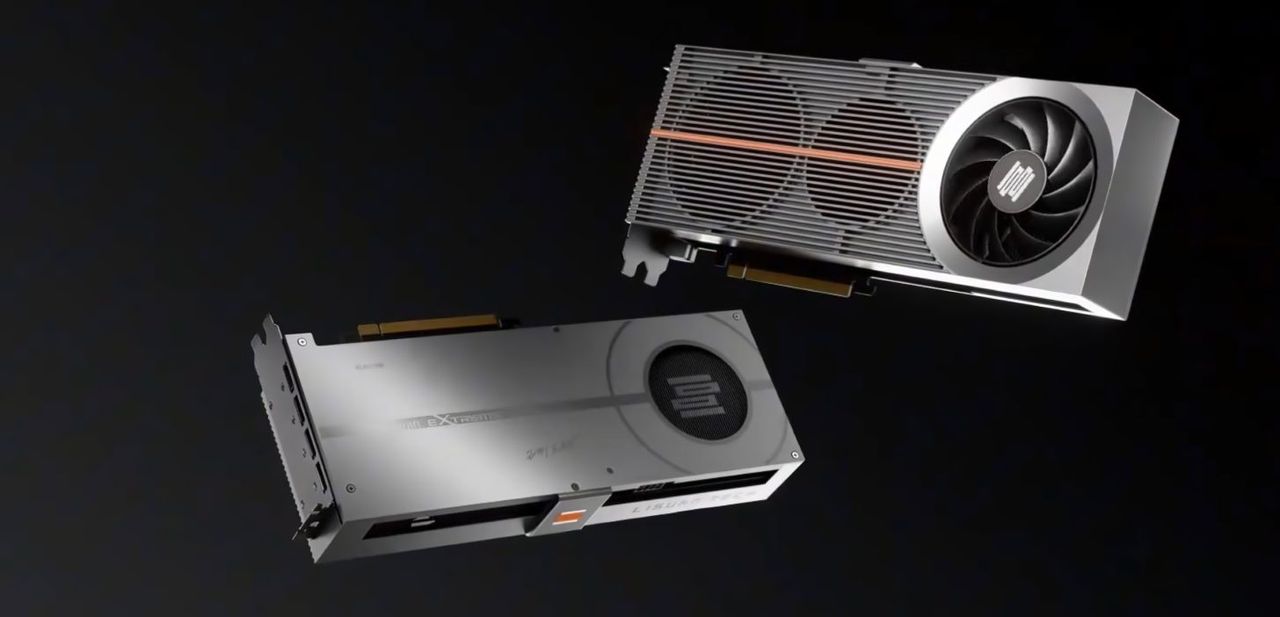
Lisuan Tech has officially unveiled its homegrown G100 series of GPUs, spotlighting the new LX 7G106. Manufactured on an efficient 6nm process, this graphics card is designed to disrupt the domestic market by offering up to 12GB of VRAM—the current sweet spot for rendering high-resolution textures in modern gaming.
But true enlightenment comes from performance, not just specifications. Can it actually game? According to Lisuan, the LX 7G106 is well-equipped to handle popular Steam titles, specifically boasting the capability to run CD Projekt Red's notoriously demanding Cyberpunk 2077.
The card is scheduled to launch in China on June 18. While we are still waiting to see if it will receive a broader global release or what the exact price tag will be, the emergence of homegrown 6nm silicon is a significant milestone. As always, more competition in the GPU space brings balance to the market and better deals for our wallets. We will remain mindful and wait for the third-party benchmarks to reveal its true path.