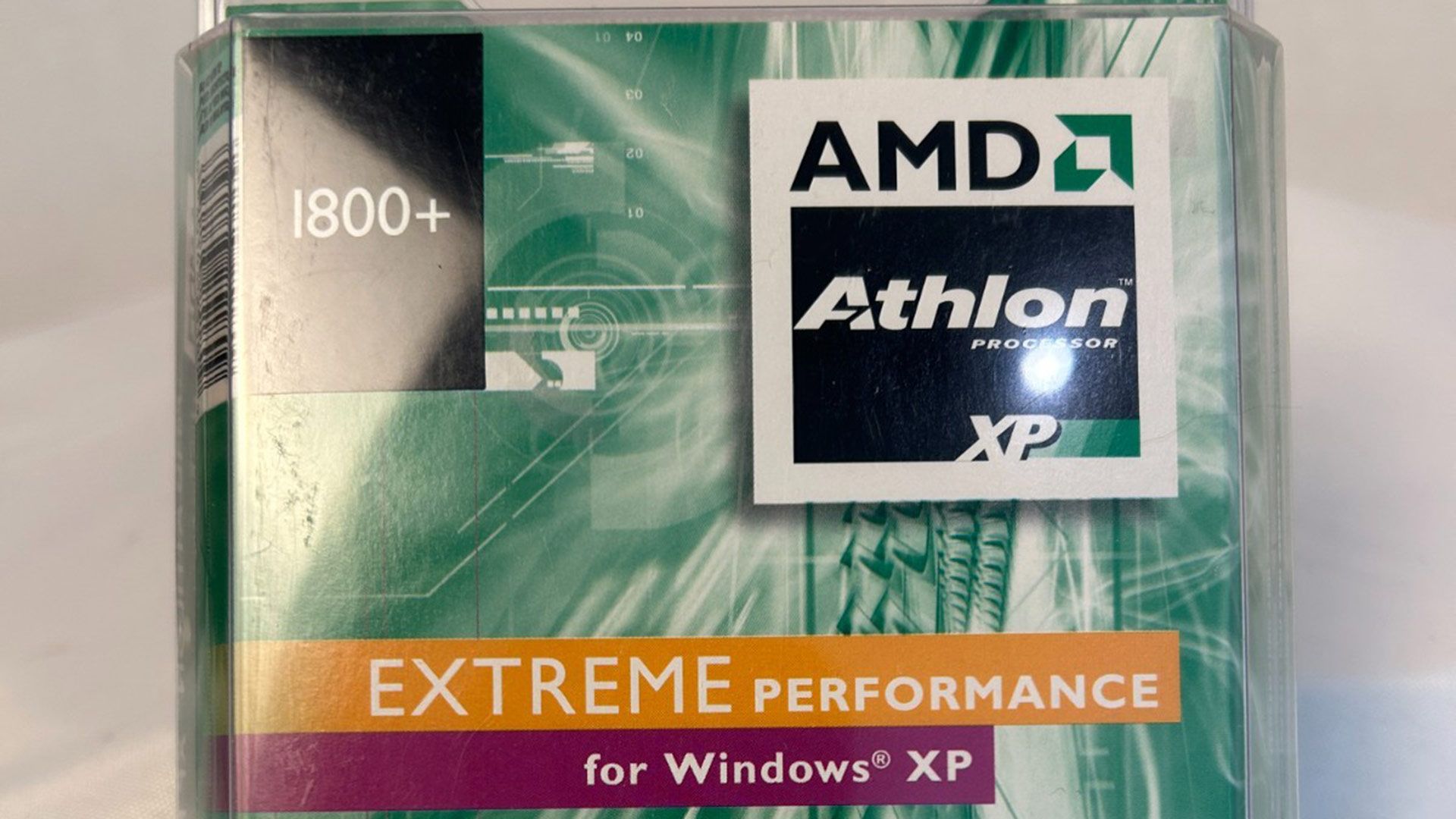
AMD attempted to crush the 'Megahertz myth' with its Performance Rating system on this day 25 years ago
⚡ Quick Hits
- AMD introduced the Performance Rating (PR) system exactly 25 years ago today.
- The system was specifically designed to debunk the "Megahertz myth" popularized by competitors.
- It forever shifted consumer focus from raw clock speeds to actual real-world performance metrics.
Greetings, tech scholars! The Tech Monk here, taking a brief pause from our usual deal hunting to reflect on a monumental milestone in PC hardware history. Exactly 25 years ago today, AMD took a massive swing at the infamous "Megahertz myth" by officially introducing its Performance Rating (PR) system.
Back in the late 90s and early 2000s—an era fondly remembered by veteran tech journalists who cut their teeth on early Sinclair Spectrums, Atari 520 STes, and Windows XP rigs—raw clock speed was the only metric average consumers understood. Competitors were dominating the marketing narrative simply by pushing higher MHz numbers, even if those chips weren't necessarily doing more work per clock cycle.
AMD realized that clock speed alone didn't tell the whole story of a processor's capabilities. To combat this misleading narrative, they rolled out the PR system. Instead of naming a chip after its clock speed, AMD labeled their processors based on their performance equivalence (for instance, rating a slower-clocked AMD chip as equivalent to a faster-clocked Pentium).
This historical shift was a bold, educational move that paved the way for how we evaluate modern CPUs today. It proved to the world that when it comes to silicon, brilliant architecture and efficiency will always trump an empty megahertz number!